

The real estate industry is experiencing a subtle but significant transformation driven by sensor technology. While flashy innovations often capture headlines, sensors are working quietly behind the scenes to make residential, commercial, and industrial properties more efficient, secure, and valuable. From monitoring building performance to optimizing energy use, these connected devices provide property owners and managers with real-time insights that were once impossible to obtain. As smart buildings become more common, sensors are helping redefine how properties are designed, maintained, and experienced, creating long-term benefits for owners, tenants, and investors alike.
Smarter Buildings Begin With Better Data
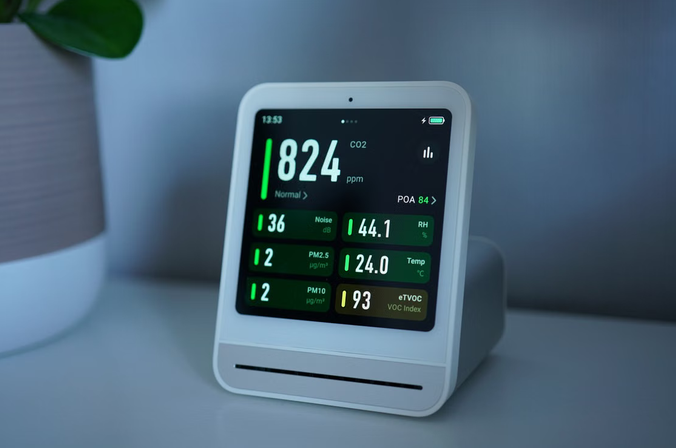
Modern properties rely on continuous streams of information to operate efficiently. Sensors collect data on occupancy, temperature, humidity, lighting, and air quality, enabling property managers to make informed decisions instead of relying on assumptions. Industry resources, such as WISSEN.de, often highlight how technological innovation continues to shape everyday life, and the growing role of intelligent sensors reflects this broader trend. By transforming raw information into actionable insights, buildings become more responsive to occupants’ needs while reducing unnecessary operational costs.
Sensors Improve Energy Efficiency Without Sacrificing Comfort
Energy consumption is one of the largest operating expenses for many properties. Sensors allow heating, ventilation, air conditioning, and lighting systems to adjust automatically based on occupancy and environmental conditions. Rather than operating on fixed schedules, these systems respond dynamically to actual demand, reducing waste while maintaining comfortable indoor environments. This approach lowers utility expenses, supports sustainability initiatives, and helps property owners meet increasingly strict environmental standards without compromising tenant satisfaction.
They Enhance Safety and Security for Occupants
Security has become a major priority across residential and commercial real estate. Sensors now play an important role in detecting unauthorized access, monitoring fire risks, identifying water leaks, and measuring indoor air quality. Integrated systems can immediately alert property managers or emergency responders when abnormal conditions arise, allowing faster action during critical situations. These capabilities not only protect physical assets but also create safer and more comfortable environments that increase tenant confidence and strengthen a property’s reputation.
Predictive Maintenance Reduces Unexpected Costs
Traditional building maintenance often follows either a fixed schedule or a reactive approach after equipment fails. Sensors introduce a more proactive strategy by continuously monitoring the condition of elevators, HVAC systems, plumbing, and electrical infrastructure. When unusual patterns appear, maintenance teams receive early warnings before small issues become expensive repairs. This predictive approach minimizes downtime, extends the lifespan of critical equipment, and reduces disruptions for occupants, ultimately preserving the long-term value of the property.
Its Installation Supports Better Investment Decisions
Real estate investors increasingly depend on accurate data when evaluating opportunities. Sensor-generated information provides valuable insights into occupancy trends, equipment performance, maintenance history, and operating efficiency. Instead of relying solely on historical financial reports, investors gain a clearer understanding of how a property performs day-to-day. This transparency improves due diligence, supports more accurate property valuations, and helps identify opportunities for operational improvements that can increase long-term returns.
The Foundation for Future Smart Cities Is Finally Shaped
The growing adoption of sensors extends beyond individual buildings. As cities become more connected, sensor-equipped properties contribute to broader smart city initiatives by sharing data that improves transportation planning, energy distribution, emergency response, and environmental monitoring. Buildings are evolving into active participants within larger digital ecosystems, allowing urban infrastructure to become more efficient and resilient. This interconnected approach promises better resource management while supporting sustainable urban growth for future generations.
Sensors may operate quietly in the background, but their impact on real estate is becoming impossible to ignore. By improving operational efficiency, strengthening security, reducing maintenance costs, and supporting data-driven decision-making, these technologies are reshaping how properties are managed and valued. As adoption continues to expand, sensor technology will play an increasingly important role in creating smarter buildings and more connected communities. For property owners, investors, and tenants alike, the future of real estate will be defined not only by location but also by the intelligence embedded within every building.…
Read More


































 Your router’s internal software, known as firmware, requires occasional updates, just like your computer or smartphone. These updates fix bugs, patch security issues, and sometimes enhance performance. Log into your router’s settings (usually accessible via a web browser) and check for available updates. Also, consider scheduling a router reboot every couple of weeks. This clears cached data and helps the device function more efficiently. It’s a simple practice that often goes ignored but can lead to better connectivity and fewer slowdowns.








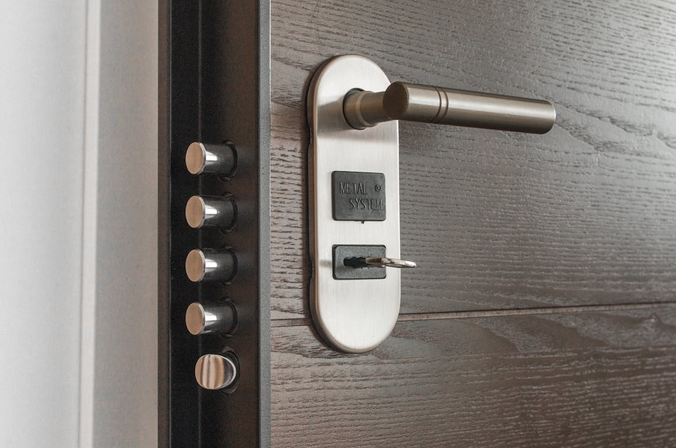
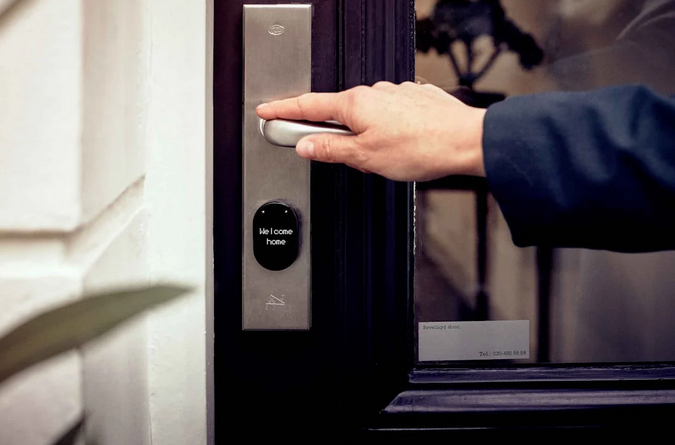
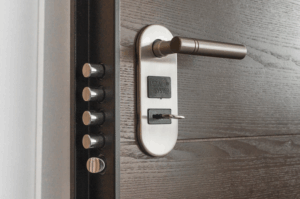 Diginytt testing is a rigorous process that ensures smart locks meet high-security standards. This certification focuses significantly on encryption methods used in the devices. Encryption protects data transmission between the lock and the connected devices. It prevents unauthorized access, ensuring that only approved users can control or monitor their locks remotely. Tamper-proofing is another critical aspect of Diginytt evaluation. Smart locks undergo tests to determine how well they resist physical attacks, such as forced entry or tampering attempts. A robust design makes it difficult for intruders to bypass the locking mechanism. These evaluations assure homeowners that their security systems are not just convenient but also reliable against modern threats.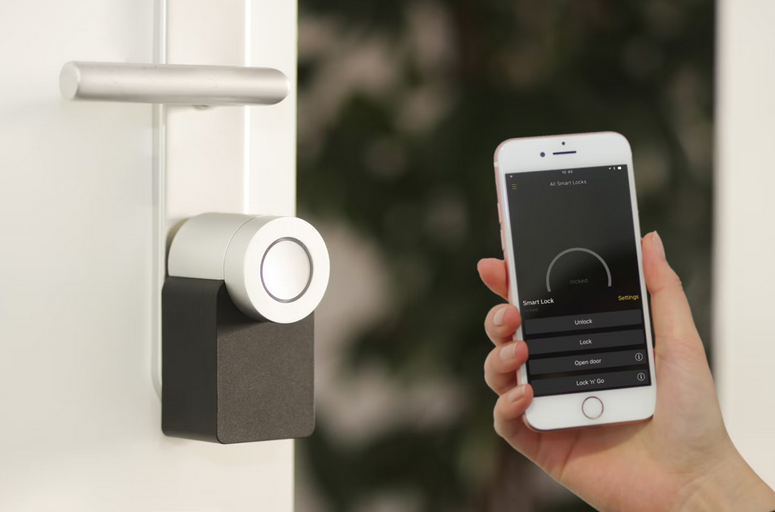

 In many countries, it’s a criminal offense to be found in possession of a stolen item. Note that iPhones are preferred for their anti-theft features that are activated through the “Find My iPhone app.” An iPhone owner can use this app to lock it and make it useless to the illegitimate owner from halfway around the world.
 Some companies are dedicated to all things iPhone. This means that you can have the phone’s battery or screen replaced. You can as well have it unlocked irrespective of whether you have full details from the previous owner(s) or not. The services come at a cost, but you will be able to use the device without any limitations.