

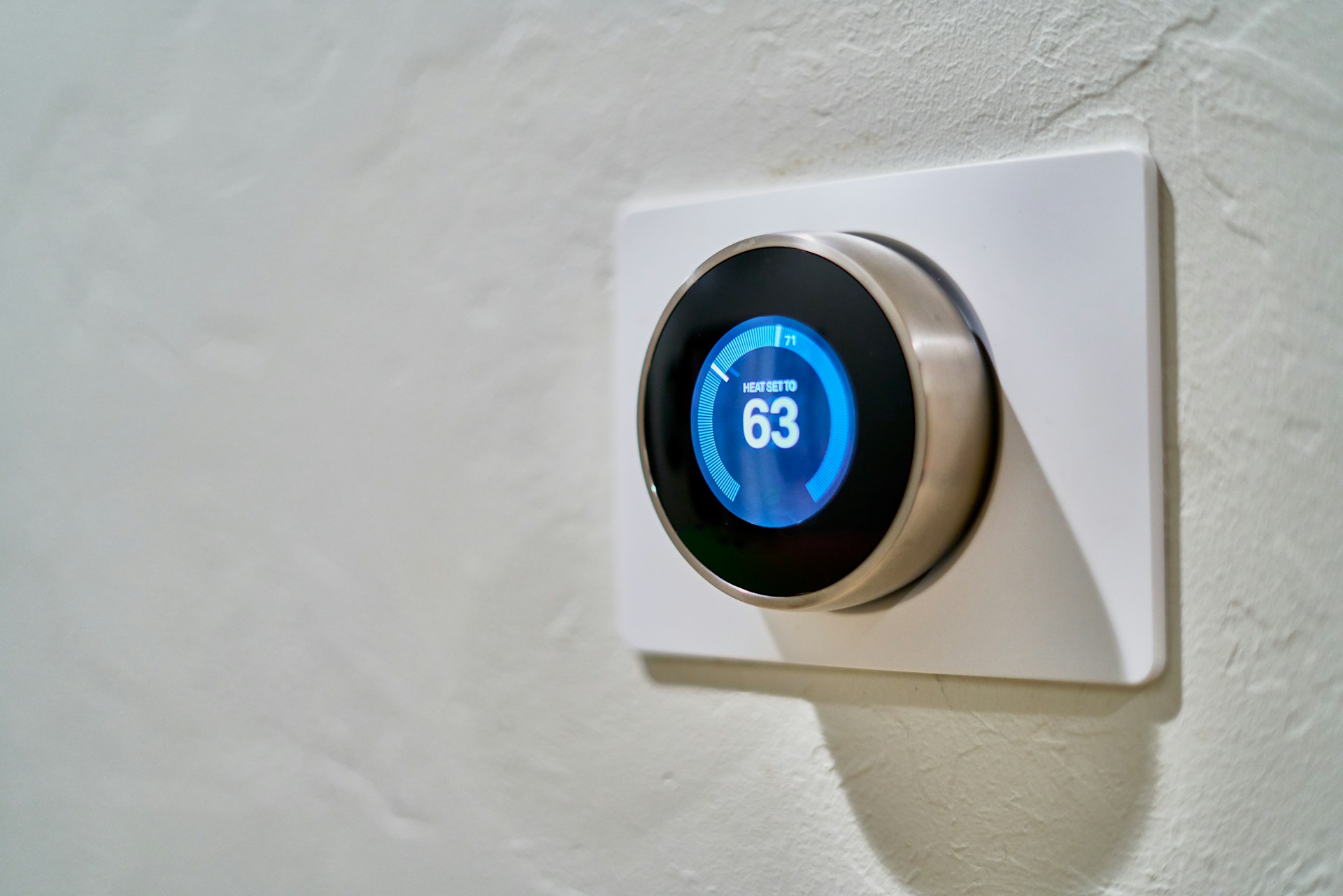
The real estate industry is experiencing a subtle but significant transformation driven by sensor technology. While flashy innovations often capture headlines, sensors are working quietly behind the scenes to make residential, commercial, and industrial properties more efficient, secure, and valuable. From monitoring building performance to optimizing energy use, these connected devices provide property owners and managers with real-time insights that were once impossible to obtain. As smart buildings become more common, sensors are helping redefine how properties are designed, maintained, and experienced, creating long-term benefits for owners, tenants, and investors alike.
Smarter Buildings Begin With Better Data
Modern properties rely on continuous streams of information to operate efficiently. Sensors collect data on occupancy, temperature, humidity, lighting, and air quality, enabling property managers to make informed decisions instead of relying on assumptions. Industry resources, such as WISSEN.de, often highlight how technological innovation continues to shape everyday life, and the growing role of intelligent sensors reflects this broader trend. By transforming raw information into actionable insights, buildings become more responsive to occupants’ needs while reducing unnecessary operational costs.
Sensors Improve Energy Efficiency Without Sacrificing Comfort
Energy consumption is one of the largest operating expenses for many properties. Sensors allow heating, ventilation, air conditioning, and lighting systems to adjust automatically based on occupancy and environmental conditions. Rather than operating on fixed schedules, these systems respond dynamically to actual demand, reducing waste while maintaining comfortable indoor environments. This approach lowers utility expenses, supports sustainability initiatives, and helps property owners meet increasingly strict environmental standards without compromising tenant satisfaction.
They Enhance Safety and Security for Occupants
Security has become a major priority across residential and commercial real estate. Sensors now play an important role in detecting unauthorized access, monitoring fire risks, identifying water leaks, and measuring indoor air quality. Integrated systems can immediately alert property managers or emergency responders when abnormal conditions arise, allowing faster action during critical situations. These capabilities not only protect physical assets but also create safer and more comfortable environments that increase tenant confidence and strengthen a property’s reputation.

Predictive Maintenance Reduces Unexpected Costs
Traditional building maintenance often follows either a fixed schedule or a reactive approach after equipment fails. Sensors introduce a more proactive strategy by continuously monitoring the condition of elevators, HVAC systems, plumbing, and electrical infrastructure. When unusual patterns appear, maintenance teams receive early warnings before small issues become expensive repairs. This predictive approach minimizes downtime, extends the lifespan of critical equipment, and reduces disruptions for occupants, ultimately preserving the long-term value of the property.
Its Installation Supports Better Investment Decisions
Real estate investors increasingly depend on accurate data when evaluating opportunities. Sensor-generated information provides valuable insights into occupancy trends, equipment performance, maintenance history, and operating efficiency. Instead of relying solely on historical financial reports, investors gain a clearer understanding of how a property performs day-to-day. This transparency improves due diligence, supports more accurate property valuations, and helps identify opportunities for operational improvements that can increase long-term returns.
The Foundation for Future Smart Cities Is Finally Shaped
The growing adoption of sensors extends beyond individual buildings. As cities become more connected, sensor-equipped properties contribute to broader smart city initiatives by sharing data that improves transportation planning, energy distribution, emergency response, and environmental monitoring. Buildings are evolving into active participants within larger digital ecosystems, allowing urban infrastructure to become more efficient and resilient. This interconnected approach promises better resource management while supporting sustainable urban growth for future generations.
Sensors may operate quietly in the background, but their impact on real estate is becoming impossible to ignore. By improving operational efficiency, strengthening security, reducing maintenance costs, and supporting data-driven decision-making, these technologies are reshaping how properties are managed and valued. As adoption continues to expand, sensor technology will play an increasingly important role in creating smarter buildings and more connected communities. For property owners, investors, and tenants alike, the future of real estate will be defined not only by location but also by the intelligence embedded within every building.…
Read More










 General gaming platforms often attempt to cover a wide range of features, which can limit depth in any single area. Specialized apps take the opposite approach, focusing on a narrow set of functions and refining them for accuracy and usability. Whether the focus is on match analysis, team coordination, or game statistics, these apps provide clearer insights and smoother interactions. Gamers benefit from purpose-built tools, as they reduce complexity and surface relevant information faster. This focus allows users to engage with game-related data and systems.



 YouTube’s ranking logic begins with engagement. It measures user satisfaction through watch time, click-through rate, session depth, and viewer retention. Likes support these core indicators by suggesting that a viewer found the content relevant. Paid likes, however, do not override the primary signals. They serve as light indicators rather than weighty ranking tools. The algorithm does not respond to likes in isolation. It compares them against meaningful behavioral data to determine whether the video genuinely resonates with viewers. This layered approach prevents simple manipulation and strengthens content discovery fairness.

 Instagram’s system scans every uploaded video the moment it hits their servers. It checks brightness, sharpness, motion levels, and compression artifacts. The platform doesn’t wait for you to hit any settings; it makes the decision instantly. That quick response can make your footage seem better or worse, depending on the original content. The process relies on pattern recognition. If it senses those signals, it applies corrections. You may notice your colors shift or your contrast bump up a notch, and that change often catches creators off guard.
















 Short-form videos are no longer limited to TikTok or Instagram Reels. YouTube Shorts has become a major traffic driver. The format suits fast consumption. It also works well with the platform’s algorithm, which favors high engagement rates. Creators can use Shorts to introduce new viewers to their channels, then direct them to longer videos for deeper content. Quick, engaging clips can spark interest and lead to more watch time overall.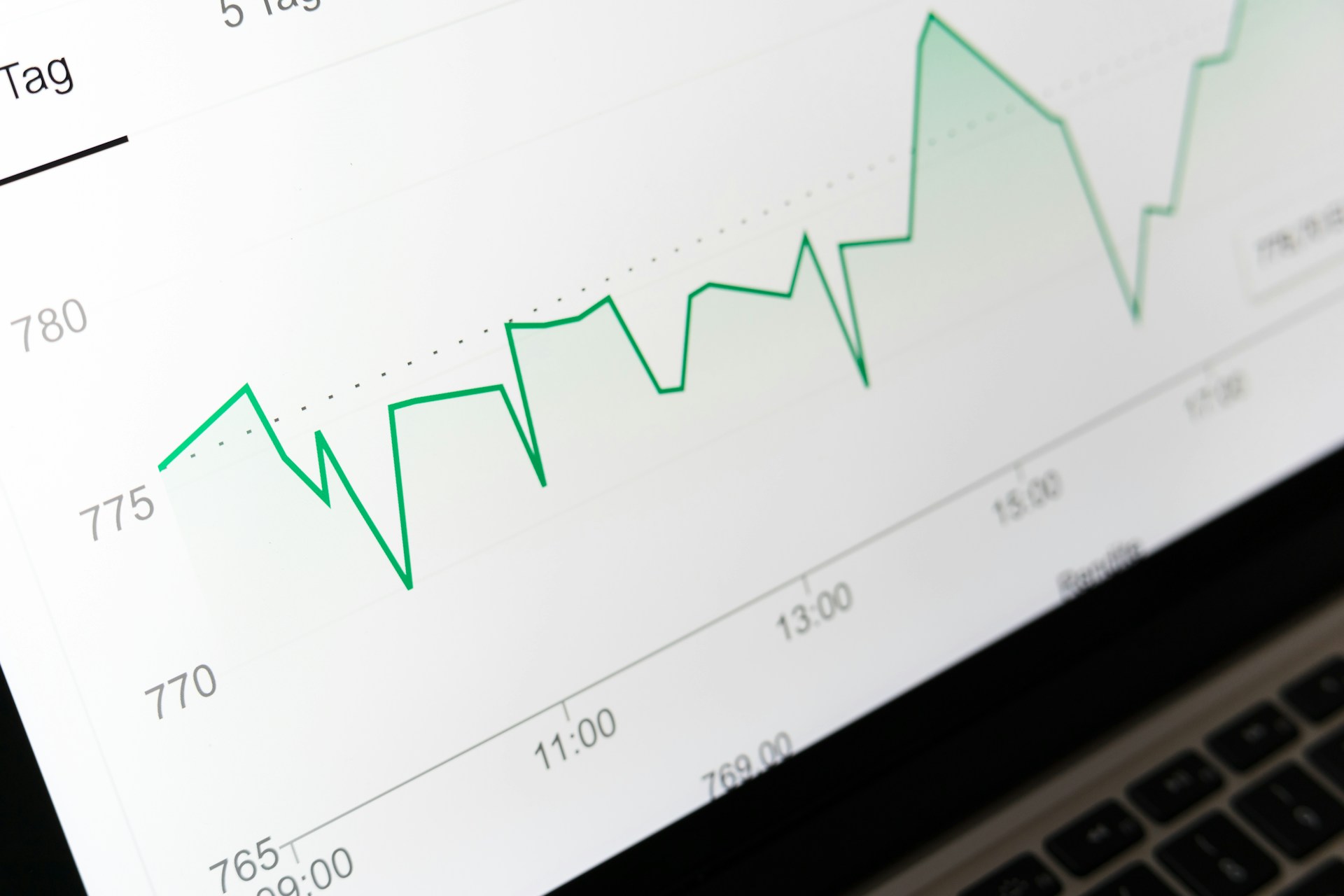
 Technology has made interactivity easier than ever. Live streaming tools allow for real-time audience questions, polls, and demonstrations. Virtual reality (VR) and 360-degree video offer immersive experiences that keep viewers engaged. Even without advanced setups, adding interactive elements like clickable end screens and info cards can guide viewers to more of your content. The more interactive your channel feels, the more time viewers spend on it.