

Ranking on page one used to feel like a big win. Today, it’s the bare minimum. Competitive SERPs are packed with featured snippets, AI overviews, videos, local packs, and heavily optimized competitors fighting for the same clicks. To consistently win visibility, SEO framework agencies don’t rely on isolated tactics—they build layered strategies that stack authority, relevance, and technical strength over time. This five-layer model is the foundation many high-performing agencies use to outperform competitors in even the toughest niches. Each layer builds on the one beneath it, creating momentum that’s difficult for others to replicate.
Layer 1: Technical Infrastructure That Scales

Every strong SEO strategy starts with a solid technical base. Without it, content and backlinks won’t reach their full potential. Agencies begin by optimizing crawlability, indexation, site speed, mobile usability, and structured data. Clean URL structures and logical site hierarchies ensure search engines can easily understand the site. This foundation is critical for long-term SEO success because technical weaknesses compound over time. A slow, disorganized website might rank temporarily, but it will struggle to maintain performance as content expands. Agencies that prioritize infrastructure early create scalable environments where future growth doesn’t require constant clean-up.
Layer 2: Search Intent Mapping
Once the technical layer is solid, agencies move into deep search intent analysis. Instead of targeting keywords in isolation, they map entire keyword ecosystems. Informational, navigational, commercial, and transactional queries are grouped strategically to align with the buyer’s journey. This prevents cannibalization and ensures each page has a clear purpose. Competitive SERPs reward relevance, and intent mapping sharpens that relevance. By structuring content around real user needs rather than just search volume, agencies improve engagement metrics that reinforce rankings over time.
Layer 3: Authority-Driven Content Architecture

Publishing content randomly is a fast way to dilute authority. Framework agencies design structured content ecosystems built around pillar pages and supporting clusters. Each piece strengthens topical depth and connects logically through internal linking. This architecture sends strong authority signals to search engines. Instead of scattered articles competing against each other, the site presents a unified, expert-level resource on its core topics. As competitors chase individual keywords, layered agencies build comprehensive topic ownership, which is much harder to displace in competitive SERPs.
Layer 4: Strategic Authority Building
Backlinks still matter—but modern authority building is far more strategic than mass outreach campaigns. Agencies focus on earning links through digital PR, thought leadership, partnerships, and link-worthy assets like original research or tools. The goal isn’t volume; it’s relevance and trust. High-quality links pointing to well-structured content amplify the previous layers. When technical optimization, intent alignment, and content architecture are already strong, each authoritative backlink has a multiplying effect. This synergy is what helps agencies push clients into top positions in crowded industries.
Layer 5: Conversion and UX Optimization

Ranking alone doesn’t win competitive markets—conversions do. The final layer focuses on user experience, engagement, and conversion rate optimization. Agencies analyze behavior flow, heatmaps, and on-page interactions to refine layout, messaging, and calls to action. When users stay longer, interact more, and convert at higher rates, positive behavioral signals reinforce search performance. At the same time, businesses see measurable ROI from increased organic visibility. This layer ensures traffic growth translates into real business impact rather than vanity metrics.
Winning competitive SERPs isn’t about quick hacks or chasing algorithm updates. It’s about stacking the right elements in the right order. Technical infrastructure supports intent mapping. Intent mapping strengthens content architecture. Content architecture amplifies authority building. Authority fuels visibility. And optimized user experience turns visibility into revenue.…
Read More
 General gaming platforms often attempt to cover a wide range of features, which can limit depth in any single area. Specialized apps take the opposite approach, focusing on a narrow set of functions and refining them for accuracy and usability. Whether the focus is on match analysis, team coordination, or game statistics, these apps provide clearer insights and smoother interactions. Gamers benefit from purpose-built tools, as they reduce complexity and surface relevant information faster. This focus allows users to engage with game-related data and systems.



 YouTube’s ranking logic begins with engagement. It measures user satisfaction through watch time, click-through rate, session depth, and viewer retention. Likes support these core indicators by suggesting that a viewer found the content relevant. Paid likes, however, do not override the primary signals. They serve as light indicators rather than weighty ranking tools. The algorithm does not respond to likes in isolation. It compares them against meaningful behavioral data to determine whether the video genuinely resonates with viewers. This layered approach prevents simple manipulation and strengthens content discovery fairness.

 Instagram’s system scans every uploaded video the moment it hits their servers. It checks brightness, sharpness, motion levels, and compression artifacts. The platform doesn’t wait for you to hit any settings; it makes the decision instantly. That quick response can make your footage seem better or worse, depending on the original content. The process relies on pattern recognition. If it senses those signals, it applies corrections. You may notice your colors shift or your contrast bump up a notch, and that change often catches creators off guard.



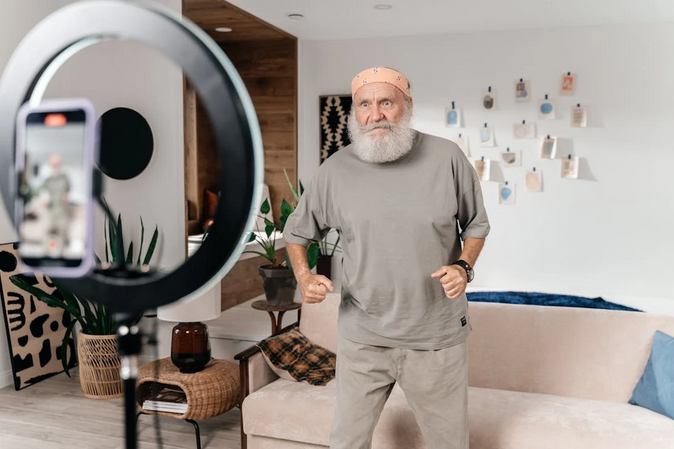








 Short-form videos are no longer limited to TikTok or Instagram Reels. YouTube Shorts has become a major traffic driver. The format suits fast consumption. It also works well with the platform’s algorithm, which favors high engagement rates. Creators can use Shorts to introduce new viewers to their channels, then direct them to longer videos for deeper content. Quick, engaging clips can spark interest and lead to more watch time overall.
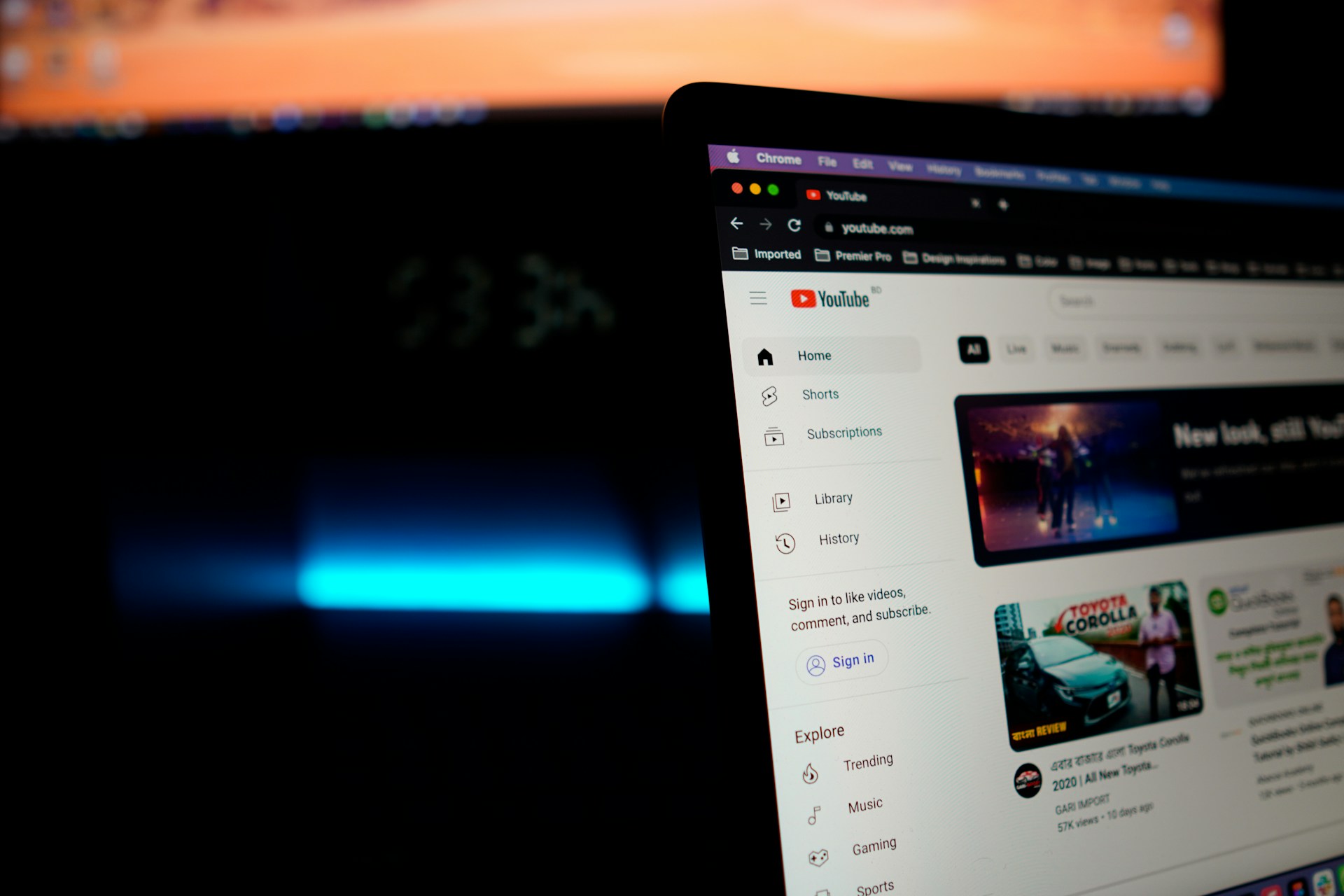 Technology has made interactivity easier than ever. Live streaming tools allow for real-time audience questions, polls, and demonstrations. Virtual reality (VR) and 360-degree video offer immersive experiences that keep viewers engaged. Even without advanced setups, adding interactive elements like clickable end screens and info cards can guide viewers to more of your content. The more interactive your channel feels, the more time viewers spend on it.