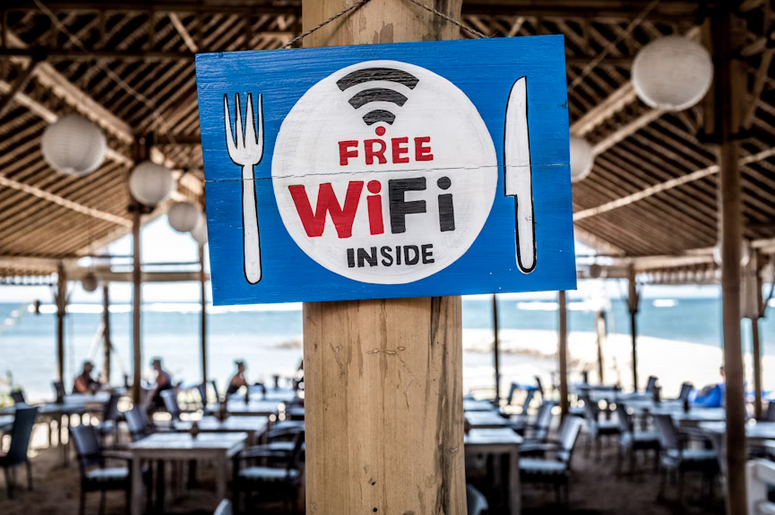
Public Wi-Fi has become a modern convenience, allowing us to stay connected almost anywhere—coffee shops, hotels, airports, or even shopping malls. For many people, hopping onto a free hotspot feels like second nature, especially when the urge to scroll through Instagram, check Facebook updates, or upload a TikTok video strikes. However, what seems like harmless browsing can quietly expose you to serious dangers. Cybercriminals use these unsecured networks to target unsuspecting users, making them vulnerable to data theft, account hacking, and privacy intrusions. Whether you’re casually updating your stories or looking to buy tiktok likes for cheap, using public Wi-Fi could jeopardize your personal safety. Below, we uncover common hidden risks you should be aware of before logging in.
Man-in-the-Middle Attacks
A man-in-the-middle attack is one of the most common threats on public Wi-Fi. This happens when a hacker secretly intercepts the communication between your device and the internet connection. If you log into Facebook, Twitter, or TikTok, the attacker can monitor your activity, capture sensitive details, or even alter the data being sent. Unlike obvious scams, this type of intrusion often goes unnoticed, leaving victims unaware until damage has already been done. Even something as simple as checking your messages could expose your login credentials. The lack of encryption on most public networks gives attackers an easy opening, and all it takes is a few minutes for them to compromise your account security.
Malware Distribution
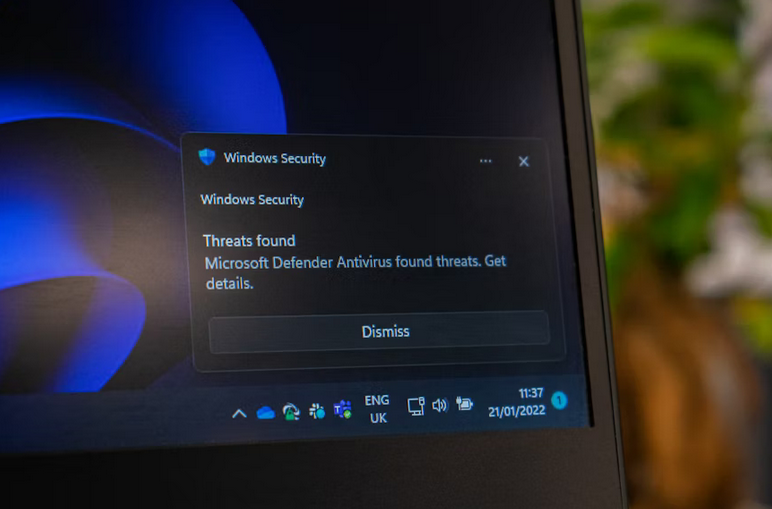
Another overlooked danger is malware. Cybercriminals sometimes create fake Wi-Fi hotspots with names that mimic legitimate businesses—like “Café Wi-Fi Free.” Once you connect, your device may be tricked into downloading harmful software without your knowledge. Malware can capture keystrokes, monitor your browsing, and even gain access to stored files or photos. Social media apps are particularly vulnerable targets, as malware can steal your login information and send it directly to hackers. Beyond account takeovers, malware can slow down your device, drain your battery, and cause long-term technical issues. The scariest part is that you might not even realize your phone or laptop has been infected until it’s too late.
Session Hijacking
Even if you avoid entering your password while connected, your accounts are still at risk. Through a technique called session hijacking, hackers can steal the session token your device uses to stay logged in. With this token, they can impersonate you and access your account directly. Imagine opening Instagram to see that posts, comments, or messages are being sent without your knowledge—it’s a frightening reality of insecure connections. This threat becomes more dangerous if you stay logged into multiple accounts across platforms. Once a hacker gains access, they can send scams to your followers, tarnish your reputation, or even lock you out of your own profile.
Identity Theft and Phishing Scams
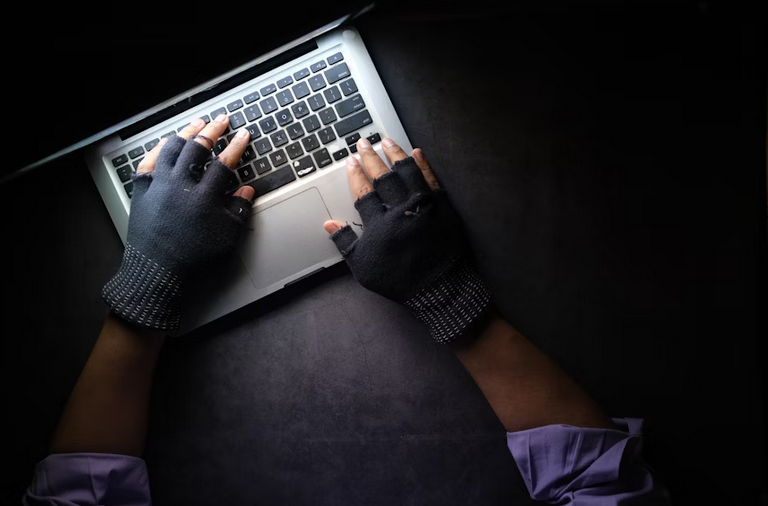
Public Wi-Fi also creates opportunities for identity theft through phishing tactics. Hackers design fake login screens that mimic popular social media platforms, tricking users into typing their credentials. For example, you might connect to a hotspot and immediately see a screen asking you to “re-login” to Facebook or TikTok. Without thinking, you enter your details—unknowingly handing them to a cybercriminal. Once stolen, this information allows them to impersonate you online, message your contacts, and use your identity for fraudulent activities. These scams are increasingly convincing, making it difficult for even tech-savvy users to recognize them. Falling victim once can have long-term consequences for your privacy and reputation.
Data Snooping and Tracking
Even when no direct attacks occur, public Wi-Fi enables data snooping. Hackers can watch unencrypted traffic to see which sites you visit, the apps you use, and even the posts you engage with on social media. Over time, this information builds a profile of your behavior and interests. Such data can then be sold on underground marketplaces or used for targeted scams. Imagine cybercriminals knowing not just which accounts you follow, but also how frequently you interact with them. While it may sound harmless, these insights can be exploited to manipulate you with customized phishing attempts or misleading ads. Essentially, your online habits become ammunition for cybercrime.
Public Wi-Fi may feel convenient, but it hides dangers that can compromise your privacy and social media accounts. Man-in-the-middle attacks can intercept your data, malware can silently infect your device, session hijacking can let criminals impersonate you, phishing scams can steal your credentials, and snooping can track your activity. By being aware of the hidden risks and taking proactive measures, you can browse more safely, protect your identity, and reduce the chances of falling victim to cybercrime. Awareness, combined with simple protective actions, is the most vigorous defense against these threats.