With so much focus placed on upgrading to faster and more expensive internet plans, it’s easy to overlook the performance potential of your current setup. Many users believe their home Wi-Fi issues stem from low-tier internet packages or outdated technology—but often, the real problems lie in configuration, placement, and everyday usage habits. Surprisingly, even without spending on new equipment, you can achieve a significant boost in speed and reliability. Now, let’s explore how to maximize the value of your current home internet setup using some practical and often overlooked techniques.
Ensure Strategic Router Placement
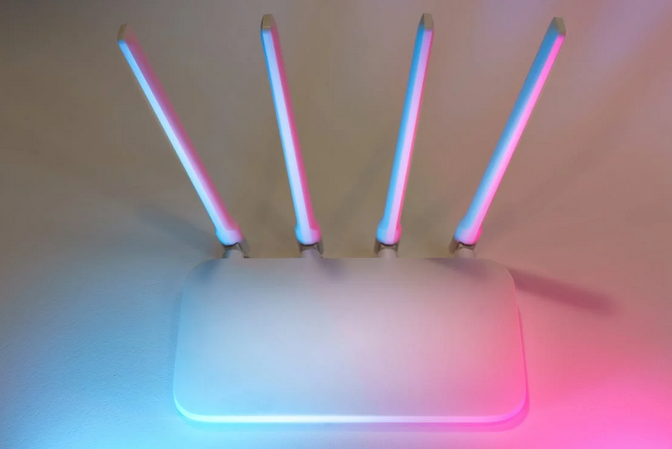
Router location can dramatically affect internet performance across your home. Avoid tucking it away in a drawer, behind a TV, or in a far-off corner. Wi-Fi signals are easily blocked by walls, furniture, and even metal appliances. The more centralized and elevated your router, the better the signal distribution will be throughout your space. Additionally, keeping the router off the floor and free of clutter can reduce signal interference. Think of it like lighting a candle—placing it in the middle of the room ensures it spreads evenly rather than casting shadows. This way, accessing your favorite online platforms or checking out this Buy Real Media Review by The Portugal News won’t be much of an issue.
Upgrade Firmware and Reset Regularly
 Your router’s internal software, known as firmware, requires occasional updates, just like your computer or smartphone. These updates fix bugs, patch security issues, and sometimes enhance performance. Log into your router’s settings (usually accessible via a web browser) and check for available updates. Also, consider scheduling a router reboot every couple of weeks. This clears cached data and helps the device function more efficiently. It’s a simple practice that often goes ignored but can lead to better connectivity and fewer slowdowns.
Reduce Bandwidth Hogs and Background Activity
Not all devices need to be online 24/7. Smart TVs, streaming devices, game consoles, and phones often run updates or apps silently in the background, consuming bandwidth and bogging down your connection. Take time to identify which devices are always connected and limit their internet access when not in use. Most routers allow you to view all connected devices and even temporarily pause their access. Doing this frees up bandwidth for the devices you’re actively using and can dramatically improve performance during peak hours.
Use Ethernet Connections Where Possible

While Wi-Fi is convenient, wired connections are significantly more stable and faster. Devices like smart TVs, gaming consoles, desktop computers, and even some printers can benefit from being hardwired. Using an Ethernet cable not only reduces strain on the Wi-Fi network but also improves connection quality for devices that require more consistent speeds. Even if you can’t wire everything, focusing on a few high-bandwidth devices can relieve pressure on your Wi-Fi and lead to noticeable improvements overall.
Enhancing your home internet setup doesn’t always demand expensive new hardware or higher-tier service plans. Often, simple adjustments—such as repositioning your router, keeping software up to date, managing connected devices, and using wired connections where feasible—can yield impressive results. Before investing in a flashy upgrade, it’s worth exploring how small changes can dramatically improve your current setup’s performance.