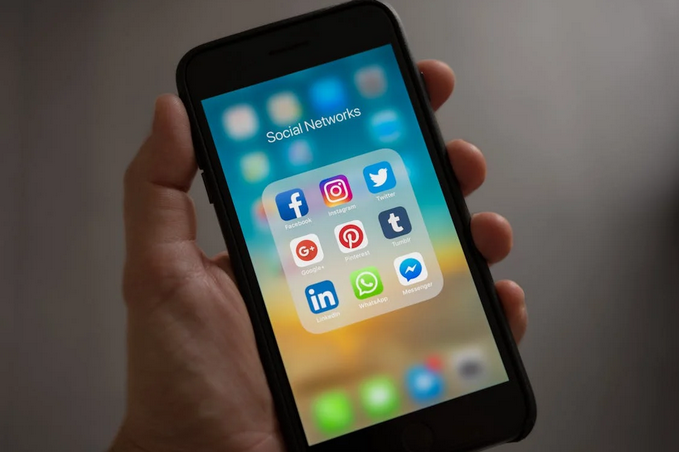

Artificial intelligence now powers much of what happens on social platforms. From content recommendations to moderation, AI determines what users see. It also fuels automation tools that create artificial likes. These tools are promoted as ways to boost visibility quickly, especially when users look to buy facebook likes for best price from third-party providers. At first glance, they appear effective. A post filled with likes signals popularity. Yet the real question is whether this type of engagement can stand against authentic growth driven by genuine interaction.
The Appeal of Artificial Likes
Artificial likes are tempting because they are immediate. A new page or business can look established in a matter of hours. The visual impact attracts casual visitors. For some, this is enough to justify the investment. The likes make a page appear active. They create the impression of momentum. But underneath the numbers, there is little substance. Without real interaction, these likes are only surface-level signals.
The Limitations of AI-Driven Likes
Automation tools have become more advanced, but they cannot fully mimic human behavior. They may generate likes across different accounts, devices, or regions, but they lack depth. Bots do not purchase products. They do not recommend services to friends. They do not give feedback that shapes future strategies. This limitation is why artificial likes fall short when measured against authentic growth. The appearance of popularity is not the same as influence.
The Risks Behind Artificial Growth
Depending on artificial likes comes with risks. Platforms continuously improve detection methods. Machine learning models track patterns, from sudden surges of engagement to clusters of suspicious accounts. Once identified, the reach of a page can be restricted. In some cases, accounts face penalties or removal. Beyond technical risks, reputation suffers. A business that relies on artificial engagement may look untrustworthy once customers notice the gap between likes and real activity.

How Algorithms Interpret Engagement
Facebook, Instagram, and other platforms use complex algorithms to decide reach. These systems weigh different actions. Comments, shares, and watch time matter far more than likes. When engagement lacks depth, algorithms recognize the pattern. Artificial likes may briefly lift a post, but sustained visibility requires more. AI is designed to filter noise from genuine signals. This means that artificial growth rarely matches the long-term impact of authentic engagement.
Authentic Growth and Audience Trust
Real engagement builds trust, which artificial likes cannot replicate. When users leave comments, share posts, or tag friends, they signal relevance. These actions drive conversation and community. Audiences respond to brands that feel authentic. Trust is not built on numbers alone. It comes from consistency, transparency, and value. Authentic growth might be slower, but it produces lasting relationships. That is why it remains the utmost priority for serious creators and businesses.
Why Authentic Engagement Wins
Authentic engagement is valuable because it provides insight. It shows what audiences actually care about. When people comment or share, they reveal preferences and opinions. This feedback helps creators refine their content. It also strengthens loyalty. Unlike artificial likes, real interactions open the door to conversations. They allow businesses to learn from their communities and adapt. This unique exchange is impossible to replicate with bots or purchased metrics.
As AI tools advance, the temptation to use them for artificial growth will remain. Yet, platforms are also advancing. Their detection systems evolve to keep pace. In the future, artificial likes may become even harder to sustain without consequence. Authentic growth, however, will always have value. It aligns with what algorithms reward and what audiences respect. Businesses and creators that focus on meaningful interaction will remain visible. They will also build trust that endures beyond numbers on a screen. The long-term path is clear: authenticity will continue to outperform artificial tactics.